

The Arthritis Society of Iceland
- 530 3600
- Brekkuhúsum 1
- gigt@gigt.is
- Monday - Thursday: 9:00 - 15:00
- 530 3600
- Brekkuhúsum 1
- gigt@gigt.is
- Monday - Thursday: 9:00 - 15:00
Osteoarthritis
Osteoarthritis
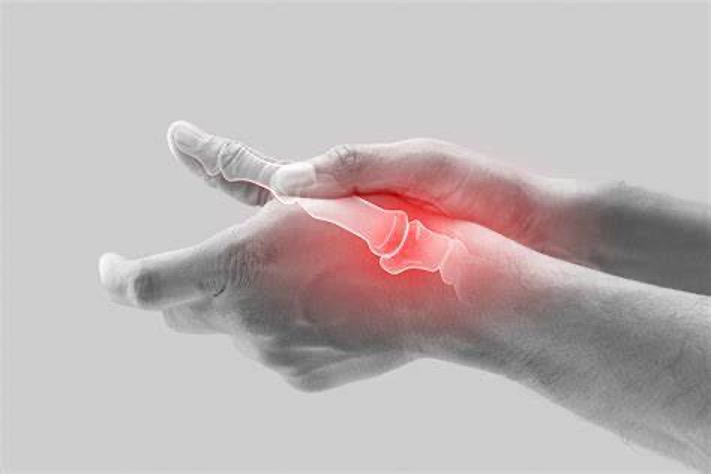
What is osteoarthritis?
Osteoarthritis is the most common type of arthritis and is caused by the breakdown of cartilage in the joints. Cartilage is the substance that protects the ends of bones and reduces friction when we move. When the cartilage is worn away or thins, the bones rub together, causing pain, stiffness and reduced mobility in the joint.
Patients with osteoarthritis can do various things themselves to improve their well-being and reduce pain. With regular exercise, a healthy diet and the use of aids, they can manage their symptoms and improve their quality of life. It is advisable to contact a doctor or a physiotherapist for personalised advice and support.
Who gets osteoarthritis?
Osteoarthritis is the most common type of arthritis and can affect anyone, but some people are at a greater risk than others.
- Older people – Most common in those over 50 years of age.
- People with a genetic risk – Genetics can influence the development of osteoarthritis.
- Those who have sustained joint injuries – Injuries, fractures or torn ligaments increase the risk.
- People with long-term strain on their joints – e.g. due to work, sport or obesity.
- Women – Osteoarthritis is more common in women than in men, especially after the menopause.
Osteoarthritis can develop in anyone, but risk factors increase the likelihood of the condition. Despite these risk factors, the progression of osteoarthritis can be slowed with proper exercise, a healthy diet, and correct strain on the body.
What are the symptoms of osteoarthritis?
Osteoarthritis usually develops slowly and the symptoms gradually worsen over time. The most common symptoms are:
- Joint pain – Often worsens with strain and improves with rest.
- Stiffness – Especially after rest, e.g. in the morning.
- Reduced mobility – Difficult to bend or straighten joints.
- Swelling and inflammation – Joints can become sore and swollen.
- Rubbing sounds or clicks – During joint movement.
Symptoms can develop slowly and worsen over time.
Where does osteoarthritis mainly occur?
- Knee – The most common form of osteoarthritis, causes pain when walking and climbing stairs.
- Hips – Can cause pain in the groin, glutes and lower back.
- Hands and fingers – Can cause thickening of the fingers (Heberden's nodes).
- Spine – Symptoms often occur in the lower back or neck.
When should you see a doctor?
- If pain and stiffness are persistent and affect daily life
- If joint pain worsens over time and does not respond to rest or painkillers
- If inflammation or redness regularly develops in the joint
The sooner a diagnosis is made, the better the chance of treating the symptoms and slowing the progression of the disease.
How is osteoarthritis diagnosed?
- Medical history – A doctor asks about symptoms, pain pattern and family history.
- Physical examination – Checking whether joints are painful, stiff or have reduced mobility.
- X-ray imaging – Shows bony changes, joint space narrowing and bone spurs (osteophytes).
- Magnetic Resonance Imaging (MRI) – Used when a more detailed examination of cartilage and soft tissues is required.
- Blood tests – To rule out other rheumatic diseases.
- Synovial fluid analysis – If an infection or another rheumatic disease is suspected.
Diagnosis is based on a combination of symptoms, physical examination and imaging.
What treatments are there for osteoarthritis?
- Painkillers – e.g. paracetamol to relieve mild pain.
- Anti-inflammatory drugs (NSAIDs) – Ibuprofen, naproxen or stronger drugs for inflammation and pain.
- Steroid injections – Given for severe inflammation and pain.
- Synovial fluid fillers (hyaluronic acid) – Injections that can reduce pain in some cases.
- Stronger medication – In severe cases, doctors can prescribe stronger painkillers.
Medication is often part of a comprehensive treatment with exercise and lifestyle changes..
What can people with osteoarthritis do themselves?
- Exercise – Regular exercise to strengthen muscles and maintain joint mobility.
- Lower-intensity exercise – Avoid overdoing it, but keep your body moving.
- Maintain a healthy body weight – Reduce strain on the joints by keeping your weight in check.
- Use of aids – e.g. stability braces, walking sticks or other support equipment.
- Heat or cold therapies – Heat or ice packs to reduce pain and inflammation.
Lifestyle changes and self-help can help to improve quality of life and reduce symptoms.
Further material

The Arthritis Society Summer Raffle 2026 Winners' List
7 September 2026

Lecture – The impact of chronic illnesses on family communication
1 September 2026

Chair exercises – New
25 August 2026