

The Arthritis Society of Iceland
- 530 3600
- Brekkuhúsum 1
- gigt@gigt.is
- Monday - Thursday: 9:00 - 15:00
- 530 3600
- Brekkuhúsum 1
- gigt@gigt.is
- Monday - Thursday: 9:00 - 15:00
Polymyositis
Polymyositis

What is polymyositis?
Polymyositis is a rare autoimmune disease that causes inflammation and muscle wasting in the body's striated muscles, particularly in the shoulders, thighs, neck and trunk muscles. The disease weakens the muscles and can cause pain, fatigue, and in severe cases, difficulty with movement, swallowing or breathing.
The cause is not fully understood, but it is thought that the immune system attacks the body's muscle cells. Treatment often involves steroids and immunosuppressant drugs to reduce inflammation and improve muscle function.
Who gets polymyositis?
Polymyositis is a rare disease that can affect people of all ages, but it is most common in:
- Adults aged 30-60
- Women, as they are more likely than men to get the disease
- Individuals with other autoimmune diseases, such as lupus or arthritis
- People with a certain genetic predisposition, although the disease is not directly hereditary
- Some viral infections, which can activate the immune system and contribute to the disease
This is not a contagious disease, and its causes are not fully understood, but it is thought that the immune system attacks its own muscle tissue, causing inflammation and weakening.
What are the symptoms of polymyositis?
- Muscle weakness in the shoulders, thighs, neck and torso (difficulty standing up, walking up stairs, lifting things).
- Muscle aches and stiffness, especially in the morning.
- Fatigue and weakness in the muscles.
- Swallowing difficulties if the neck muscles weaken.
- Breathing problems in severe cases.
- Consult a doctor if you experience persistent muscle weakness or difficulty swallowing.
When should you see a doctor?
See a doctor if you experience:
- Progressive muscle weakness (difficulty standing up, walking up stairs, lifting objects).
- Difficulty swallowing or fatigue in the neck.
- Difficulty breathing.
- Severe muscle stiffness or pain that worsens over time.
If symptoms affect daily life or worsen, it is important to get a medical check-up.
How is polymyositis diagnosed?
The diagnosis of polymyositis involves several investigations:
- Medical examination – A doctor assesses muscle strength and symptoms.
- Blood test – Measures elevated enzymes (e.g. CK) that indicate muscle damage.
- Electromyography (EMG) – Tests muscle and nerve signalling.
- Muscle biopsy – A sample of muscle is taken to check for inflammation and damage.
- MRI scan – Shows inflammation in the muscles.
Treatment for polymyositis
- Anti-inflammatory steroids (cortisone/Prednisone) – The main drugs for reducing inflammation and improving muscle strength.
- Immunosuppressant drugs – If steroids are not effective, drugs such as Methotrexate or Azathioprine are used to reduce the immune response.
- Biological drugs (e.g. Rituximab) – Used in more severe cases if other drugs are not effective.
- Painkillers and physiotherapy – Helping with pain management and maintaining mobility.
Treatment is often long, but with the right medication and training, it is possible to significantly improve quality of life.
What can patients do themselves?
- Follow the treatment plan (medication and advice from a doctor).
- Supplement exercise with physiotherapy to maintain muscle strength.
- Eat nutritious food and take vitamins and minerals.
- Get plenty of rest and improve sleep habits.
- Manage stress with relaxation or yoga.
- Seek support from family, friends or support groups.
It is important to consult a doctor regarding treatment.
What are the prospects?
The outlook for people with polymyositis varies from person to person and depends on how well the disease responds to treatment. Many achieve a good recovery with medication and physiotherapy, but some may struggle with long-term muscle weakness or complications, such as difficulty swallowing or lung problems.
With the right treatment, which often includes steroids and immunosuppressant drugs, most people can maintain good function and quality of life. However, the disease can become chronic or worsen in some people, especially if treatment is not given early. Regular check-ups with a doctor are key to achieving a good outcome from treatment.
Further material

The Arthritis Society Summer Raffle 2026 Winners' List
7 September 2026
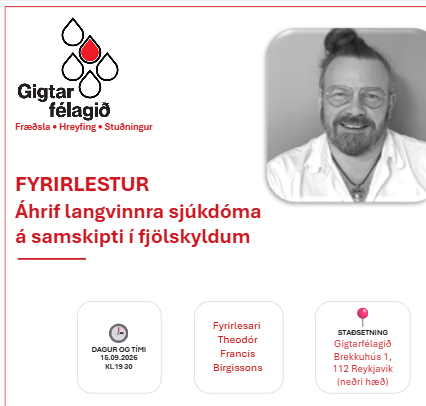
Lecture – The impact of chronic illnesses on family communication
1 September 2026

Chair exercises – New
25 August 2026