

The Arthritis Society of Iceland
- 530 3600
- Brekkuhúsum 1
- gigt@gigt.is
- Monday - Thursday: 9:00 - 15:00
- 530 3600
- Brekkuhúsum 1
- gigt@gigt.is
- Monday - Thursday: 9:00 - 15:00
Sjögrens
Sjögrens

What is Sjögren's?
Sjögren's syndrome is an autoimmune disease that causes the immune system to attack its own glands, mainly those that produce tears and saliva. This leads to dryness in the eyes and mouth.
The disease can also affect other parts of the body, such as the joints, nerves, skin, lungs, liver and kidneys.
Sjögren's syndrome can occur on its own or in connection with other autoimmune diseases.
Who gets Sjögren's?
Sjögren's syndrome is an autoimmune disease that is mainly diagnosed in women over the age of forty (in about 90% cases). It can occur on its own or in connection with other autoimmune diseases such as rheumatoid arthritis and lupus. Genetic predisposition and environmental factors, such as viral infections, can play a role. Although the disease is most common in women, men and children can also develop it.
The disease is not caused by lifestyle but is an autoimmune disease.
What are the symptoms of Sjögren's?
Main symptoms:
- Dry eyes – stinging, irritation and a feeling of sand in the eyes
- Dry mouth – difficulty swallowing, speaking and increased tooth decay
- Fatigue – severe loss of energy and lethargy
- Body aches and muscle aches
- Joint fatigue and stiffness
- Skin dryness and rash
- Neurological symptoms – numbness and pins and needles in the limbs
When should you see a doctor?
If you feel:
- Persistent dryness in the eyes and mouth.
- especially if fatigue and joint pain accompany the dryness.
- difficulty swallowing or speaking.
- recurrent infections in the eyes or mouth.
- Numbness in the limbs.
- Early diagnosis can help to manage symptoms and prevent complications.
How is Sjögren's syndrome diagnosed?
Diagnosis of Sjögren's syndrome is based on symptoms, medical history and various tests. The most common methods are:
- Medical history and examination – A doctor assesses dryness in the eyes and mouth, along with other symptoms such as fatigue and joint pain.
- Blood tests – The search for autoantibodies such as SSA (Ro) and SSB (La), as well as inflammatory and immune factors.
- Schirmer test – Tear production is measured using small paper strips placed under the eyelids.
- Salivary secretion test – Measures how much saliva is produced in a given period of time.
- Tissue sample from salivary glands – Microscopic examination of a cheek swab to investigate inflammatory changes.
- Imaging investigations – e.g. sialography or ultrasound of the salivary glands to assess damage.
As the symptoms of Sjögren's syndrome can be similar to other diseases, diagnosis can take time and require collaboration between rheumatologists, ophthalmologists and dentists.
What treatments are there for Sjögren's?
There is no cure, but treatment is aimed at alleviating symptoms and improving quality of life:
- Artificial tears and salivating drugs
- Anti-inflammatory drugs and antirheumatic drugs
- Steroids or immunosuppressive drugs in severe cases
- Good oral and ocular examination technique
Sjögren's syndrome can occur on its own or in connection with other rheumatic diseases, such as arthritis or lupus.
What can people with Sjögren's do themselves?
Maintain moisture
- Use fake tears and moisturising gel for the eyes.
- Drink plenty of water and use mouth-watering products (e.g. sugar-free chewing gum or mouth spray).
- Use a humidifier indoors to reduce dryness.
Protect oral health
- Maintain good oral hygiene, brush your teeth regularly and use an alcohol-free mouthwash.
- Go to the dentist regularly to prevent tooth decay.
Relieve joint discomfort
- Do moderate exercise such as walking or swimming.
- Use hot compresses or painkillers as needed.
Look after your general health
- Eat healthy and nutritious food to reduce inflammation.
- Rest well and manage stress, e.g. with meditation or relaxation exercises.
- Avoid smoking and alcohol, which can increase dryness.
In addition to this, it is important to have regular check-ups with a doctor and to follow a treatment plan.
What are the prospects?
Sjögren's syndrome is a chronic condition, but the outlook is generally good.
- Most people can live a normal life with the right treatment.
- Symptoms can vary and worsen over time.
- Some people can develop complications that affect the organs.
Regular monitoring and appropriate treatment help to keep symptoms under control and improve quality of life in the long term.
Further material

The Arthritis Society Summer Raffle 2026 Winners' List
7 September 2026
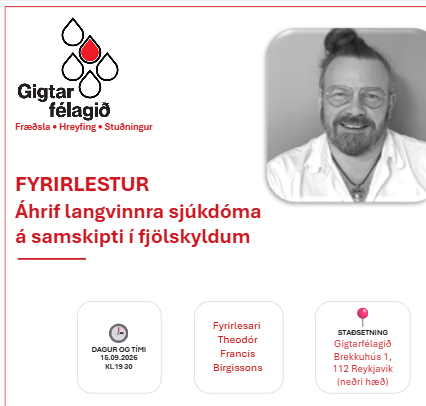
Lecture – The impact of chronic illnesses on family communication
1 September 2026

Chair exercises – New
25 August 2026