

The Arthritis Society of Iceland
- 530 3600
- Brekkuhúsum 1
- gigt@gigt.is
- Monday - Thursday: 9:00 - 15:00
- 530 3600
- Brekkuhúsum 1
- gigt@gigt.is
- Monday - Thursday: 9:00 - 15:00
Juvenile arthritis
Juvenile arthritis

What is rheumatoid arthritis?
Psoriatic arthritis is an inflammatory disease of the joints. It is an autoimmune disease, which means that the immune system mistakenly attacks the body's own tissues, causing inflammation. It belongs to a subgroup of rheumatic diseases called spondylarthritis (SpA).
This condition is called reactive arthritis because the disease follows certain infections of the urinary tract, genitals or digestive system.
Rheumatic disease can affect the joints, tendons and attachments (where tendons and ligaments connect to bones). In some people, the disease mainly affects the smaller joints in the hands and feet, while in others it affects the larger joints or the spine. The disease can also cause inflammation of the skin and eyes.
The disease varies between individuals – both in terms of symptoms and severity.
Who gets gout?
The disease is about three times more common in men than in women. It most commonly appears between the ages of twenty and forty.
Heredity plays a part, but certain genes (HLA-B27) increase the likelihood of developing reactive arthritis following an infection. Examples of infections that can trigger the disease:
- Chlamydia infection in the genitals.
- Descending infections due to the following bacteria:
- Campylobacter, Salmonella, Shigella or Yersinia.
What are the symptoms of pre-eclampsia?
Symptoms usually start 1-4 weeks after infection.
Common symptoms are:
- Pain, swelling and stiffness, most often in the knees, ankles and feet. But there can also be pain in the heels, lower back or buttocks.
- Eye symptoms. Red, irritated or painful eyes. Sometimes vision can become blurred.
- Urinary symptoms. A need to urinate more often or a burning sensation when urinating.
- Enthesitis (inflammation where tendons attach to bone). Most common in the heels or the sole of the foot and can cause pain when walking.
- Swelling in the fingers or toes where the fingers or toes can become very swollen and resemble 'sausages'.
- Skin symptoms. Mouth sores, painless sores on the genitals or a rash on the palms and soles.
- Lower back pain that is often worse at night or in the mornings.
When should you see a doctor?
If you road conditions sore body inside monthly after that to have received decline or Be with infection í urine– or genitals, should you to have relationship with healthcare staff.
How is psoriatic arthritis diagnosed?
The diagnosis of gouty arthritis is based on a medical history, physical examination and laboratory test results. No single test confirms the condition; rather, a doctor assesses the overall picture.
The analysis is based on, among other things:
- Clinical picture, case history and family history.
- Physical examination of joints, tendons, skin and nails.
- Blood tests to measure inflammation and rheumatism tests to rule out other rheumatic diseases.
- Urine test to check for a chlamydia infection.
- Imaging investigations, such as X-rays, ultrasound or MRI, to assess inflammation and possible joint changes.
What are the treatments for secondary infertility?
The aim of treatment is to reduce inflammation, relieve symptoms, protect joints and improve quality of life. Treatment is individualised and depends on the severity of the disease.
Common drug treatments include:
- Anti-inflammatory and painkilling medication for symptoms.
- Steroids in tablet form or injected into the joints are used to treat flare-ups of the disease and to bridge the gap until disease-modifying drugs begin to take effect.
- Disease-modifying antirheumatic drugs (DMARDs) that affect the activity and course of the disease:
- Conventional disease-modifying antirheumatic drugs: methotrexate.
- Biological DMARDs and targeted DMARDs which act on specific components of the immune system.
What can people with secondary arthritis do themselves?
Individuals can have a significant impact on their well-being through daily routines and supportive therapy:
- Exercise and physiotherapy to maintain joint mobility and strength.
- Balance between stress and rest.
- A healthy diet and maintaining a healthy body weight.
- Avoid smoking.
- Stress reduction and plenty of sleep.
- Learn about the disease and seek support, e.g. from the Arthritis Society.
It is important to be an active participant in your own treatment and to have a good partnership with healthcare professionals.
What are the prospects?
Juvenile arthritis is relatively rare and is usually temporary. Symptoms to arrive and to go and vanish at most within a year.
Further material

The Arthritis Society Summer Raffle 2026 Winners' List
7 September 2026
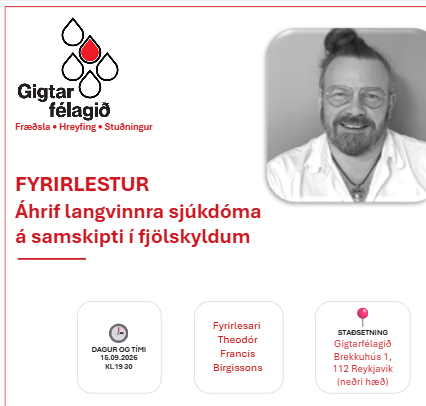
Lecture – The impact of chronic illnesses on family communication
1 September 2026

Chair exercises – New
25 August 2026