

The Arthritis Society of Iceland
- 530 3600
- Brekkuhúsum 1
- gigt@gigt.is
- Monday - Thursday: 9:00 - 15:00
- 530 3600
- Brekkuhúsum 1
- gigt@gigt.is
- Monday - Thursday: 9:00 - 15:00
Fibromyalgia
Fibromyalgia

What is polymyositis?
Polymyalgia rheumatica (PMR) is an inflammatory condition that causes pain and stiffness in the shoulders, neck and hips, often in individuals over the age of 50. The cause is unknown but is linked to autoimmunity. Treatment consists mainly of steroids (prednisone), which quickly reduce the symptoms. With the right treatment, most people make a recovery within a few years.
Who gets polymyositis?
Polymyalgia rheumatica (PMR) mainly affects individuals over the age of 50, particularly those over 70. It is more common in women than in men and appears to be more common in white individuals than in other ethnic groups. The cause is unknown, but it is thought that autoimmunity and genetics may play a role.
What are the symptoms of polymyositis?
The main symptoms of polymyalgia rheumatica (PMR) are:
- Pain and stiffness in the shoulders, neck, hips and thighs, especially in the morning.
- Reduced mobility due to stiffness.
- Fatigue and general lethargy.
- Heatwaves or a mild heatwave.
- Reduced appetite and weight loss in some cases.
Symptoms often appear suddenly and worsen after being still.
When should you see a doctor?
You should see a doctor if you experience:
- Pain and stiffness in the shoulders, neck or hips that last for more than two weeks.
- A long-lasting morning stiffness that impairs mobility.
- Fatigue, fever, weight loss or general unexplained malaise.
- Headaches, visual disturbances or tenderness of the head, which may indicate giant cell arteritis (GCA) and require immediate treatment.
If the symptoms affect daily life or worsen, it is important to get a medical check-up as soon as possible.
How is polymyositis diagnosed?
The diagnosis of polymyositis is made by assessing symptoms and through various medical examinations.
Key steps in diagnosis:
- Medical examination – Assessing pain, stiffness and other symptoms.
- Blood tests – Measure inflammatory markers such as ESR and CRP, which are often elevated.
- Exclusion of other diseases – A doctor can rule out rheumatic diseases or infections.
- Response to steroids – If symptoms improve rapidly with low-dose steroid treatment (prednisone), this supports the diagnosis.
No single test confirms the disease, but a combination of symptoms and test results leads to a diagnosis.
What treatments are there for polymyalgia rheumatica?
The main treatment for polymyositis is low-dose steroids (prednisone), which rapidly reduce symptoms.
Treatment:
- Prednisone (5–20 mg per day) is the first choice. Most people feel better within a few days.
- The dose is gradually reduced over months or years to avoid side effects.
- Calcium and vitamin D are often given to protect the bones against steroid-induced osteoporosis.
- Methotrexate or other immunosuppressant drugs are sometimes used if steroids are not effective or cause side effects.
Treatment usually takes 1–2 years, but some people need longer.
What can people with polymyositis do themselves?
Patients with polymyositis can do the following to improve their well-being and support their treatment:
- Adhere to the prescribed medication as directed by a doctor.
- A healthy diet with an emphasis on calcium and vitamin D to strengthen bones.
- Exercise regularly with light exercise and stretches to reduce stiffness.
- Rest sufficiently to reduce fatigue.
- Reduce stress, e.g. through meditation or relaxation techniques.
- Avoid smoking and excessive alcohol consumption, which can increase inflammation and bone loss.
Regular check-ups with a doctor are important to monitor the disease and any possible side effects of medication.
What are the prospects?
The outlook for patients with polymyositis is generally good. Most recover within 1–2 years with proper treatment, but some require longer.
- Most people respond well to steroid treatment and experience significant improvement within a few days.
- Some people experience a relapse when the steroid dose is reduced, but the treatment can be adjusted as needed.
- Side effects can occur, especially with long-term steroid use (osteoporosis, diabetes, etc.), but they can be minimised with proper care.
With good monitoring and a healthy lifestyle, most people can live a normal life despite the disease.
Further material

The Arthritis Society Summer Raffle 2026 Winners' List
7 September 2026
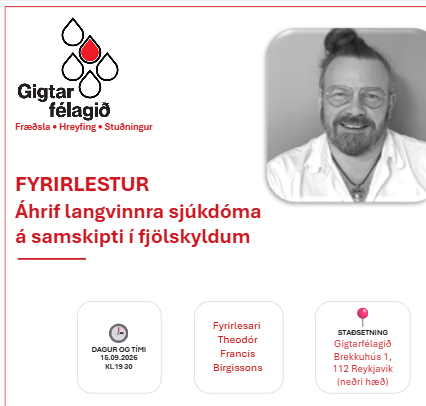
Lecture – The impact of chronic illnesses on family communication
1 September 2026

Chair exercises – New
25 August 2026